Sourcing Plants for an In Bloom or TidyTowns Planting
The judges walk the route in July, and the bedding was ordered in January. This page sets out the In Bloom, Beautiful Scotland, Wales in Bloom and TidyTowns campaigns and what their judges score, the sourcing calendar that runs a year ahead of the flowers, what to buy for each part of an entry and where the growers are.
Updated 30 October 2026. Grower totals from the live uk.hortosapp.com county pages on 30 October 2026; this page quotes no HortOS price figure, because growers are still adding their lists.
On this page
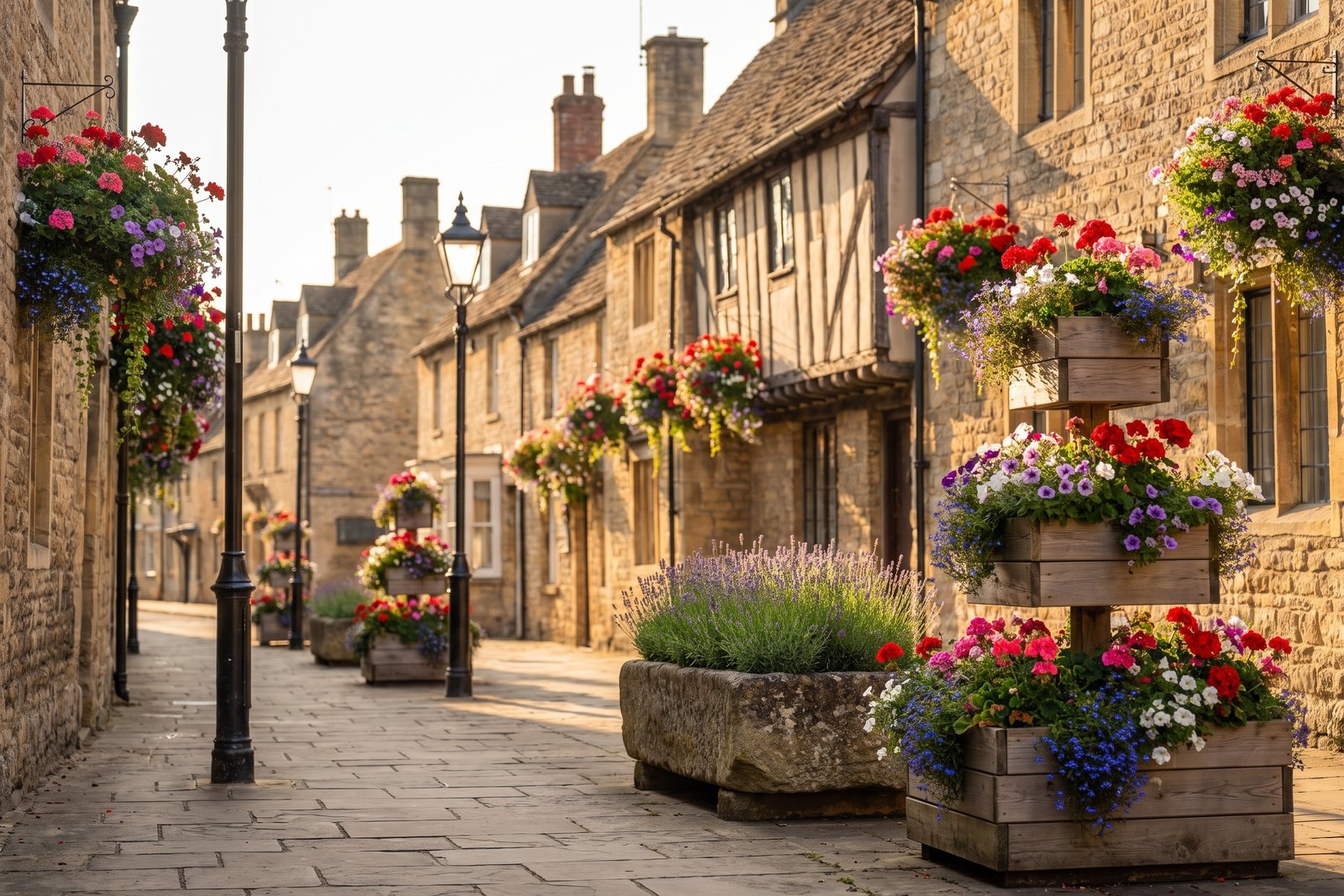
The judges walk the route in July. The bedding was ordered in January, the perennials the autumn before, the bulbs in August, and the trees three years ago. An In Bloom entry that looks spontaneous in high summer is the product of a sourcing calendar that runs a year ahead of the flowers, and the groups that win understand that the nursery's year, not the committee's, sets the dates. The same is true of a TidyTowns entry across the water and of the hundreds of neighbourhood groups that take part without competing.
This page sets out the campaigns a British or Irish group enters and what their judges look for, the calendar a bedding grower and a nursery work to, what to buy for each part of an entry and in which form, how the sustainable scoring has changed the plant list, and where the growers are. It draws on HortOS, a free directory of wholesale plant growers in the United Kingdom, listed by county, to which each grower adds its own availability and trade prices, and on what the Royal Horticultural Society, Keep Scotland Beautiful, Wales in Bloom, Keep Northern Ireland Beautiful and TidyTowns publish. It quotes no HortOS price figure, because growers are still adding their lists to the UK site.
Quick facts
| The campaigns | RHS Britain in Bloom runs through regional and national campaigns across the United Kingdom, Beautiful Scotland and Wales in Bloom among them; It's Your Neighbourhood is the free, non-competitive strand for smaller groups; the Republic of Ireland has SuperValu TidyTowns, with more than nine hundred groups. |
|---|---|
| The judging | Regional judging in June and July, the UK finals in August, awards in the autumn. Entries close early: Wales in Bloom closes on 31 March each year, and most regions in the spring. |
| The three pillars | Horticultural achievement, environmental responsibility and community participation. Judges score all three, so a plant list that shows the second is worth as much as one that shows the first. |
| The calendar | Bulbs ordered in late summer and planted in autumn; perennials and shrubs planted in autumn; summer bedding and baskets ordered by January for delivery in May; winter bedding ordered in summer. |
| The plants | Grower finished baskets and containers, bedding in packs and plugs, perennials in two litre pots, pollinator and drought tolerant plants, trees and shrubs for permanent planting. |
| Who supplies | Bedding and basket growers, the council's own nursery or contractor where one exists, the general container nurseries, and the hedging and tree nurseries for the permanent schemes. |
The campaigns, and what the judges look for
In the United Kingdom the campaign is the Royal Horticultural Society's Britain in Bloom, run through the regional and national campaigns, each with its own coordinator, entry form and judging round. A group registers with its region, is judged in June or July, and the strongest entries go forward to the UK finals, judged in August and announced in the autumn. The Society's It's Your Neighbourhood scheme is the strand for smaller groups: free, non-competitive, assessed once a year, and the way most groups start. Registered groups get the Society's network, insurance and the advice of its horticultural advisers.
Scotland's campaign is Beautiful Scotland, run by Keep Scotland Beautiful with the Society and sixty years old in 2026, with judged and non-judged options and the same three pillars. Wales in Bloom runs the Welsh campaign and closes entries on 31 March each year. In Northern Ireland, Keep Northern Ireland Beautiful's Live Here Love Here supports community environmental work, and the province's towns enter the In Bloom campaign through their own regional round. In the Republic of Ireland the equivalent is SuperValu TidyTowns, run since 1958 with more than nine hundred groups; its plants come from Irish nurseries, which HortOS does not list yet, but the planning below is the same.
Every campaign scores the three pillars: horticultural achievement, environmental responsibility and community participation. For the plant list that means three things. The planting must be well grown and well kept. It must show the environmental pillar: peat-free, pollinator friendly, water wise, perennial where it can be, native where that fits. And it must involve people, which is why a planting day with the school and the allotment society is part of the entry and not a nice extra.
The sourcing calendar
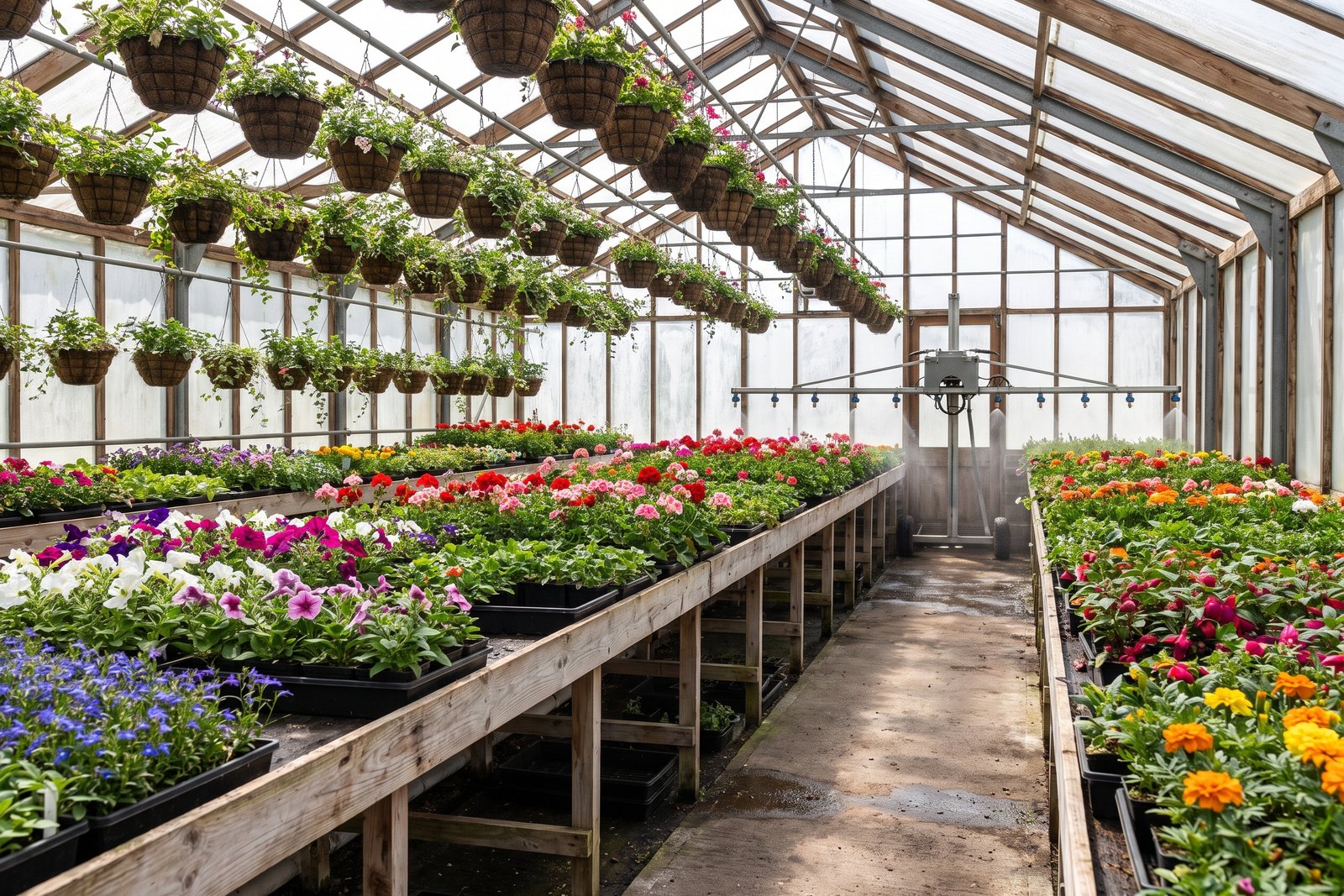
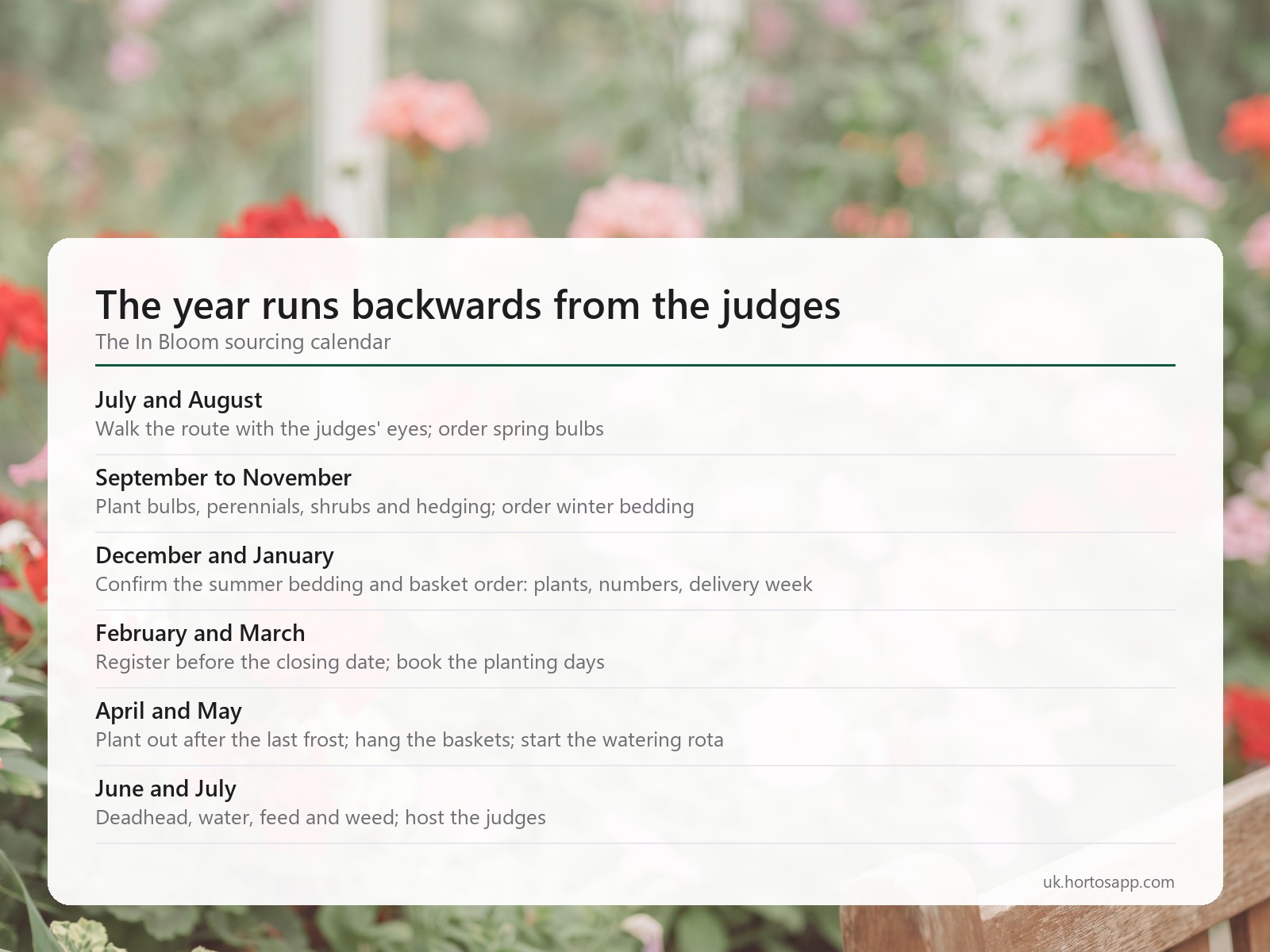
The nursery's year is fixed by the plants. Summer bedding is sown or struck in the first weeks of the year and grown on for delivery in May, so a bedding grower takes orders in the autumn and winter and fills a late order from whatever was grown on speculation. Hanging baskets and tiered planters are planted up by the grower in March and April to be full by June, and the grower needs the number and the plant choice by February. Perennials and shrubs are at their best planted in autumn, from container stock that was potted in spring. Bulbs are ordered in July and August from the bulb lists and planted from September to November. Trees are reserved in spring for the winter. The calendar below runs backwards from the judges' visit.
| Month | What the group does | What the grower is doing |
|---|---|---|
| July and August | Walk the route with the judges' eyes; order spring bulbs; plan next year's permanent planting | Lifting and despatching bulbs; potting perennials for autumn sale |
| September to November | Plant bulbs, perennials, shrubs and hedging; order winter and spring bedding | Despatching autumn container stock; lifting bare-root hedging and trees |
| December and January | Confirm the summer bedding and basket order: plants, numbers, colours, delivery week | Sowing and striking summer bedding; buying in young plants |
| February and March | Register the entry before the closing date; book the planting days; order perennials for spring gaps | Planting up baskets and containers; growing on bedding under glass |
| April and May | Plant out summer bedding after the last frost; hang the baskets; start the watering rota | Despatching bedding and finished baskets by the trolley |
| June and July | Deadhead, water, feed, weed; walk the route weekly; host the judges | Despatching late orders from what remains; taking next year's enquiries |
A group that orders its summer bedding in April is choosing from the surplus. A group that orders in January gets the plants it planned and, from most growers, a better price for the quantity. Buying plants in bulk for a community group in the UK explains how the order is written and how VAT and carriage fall on it.
What to buy, and in which form
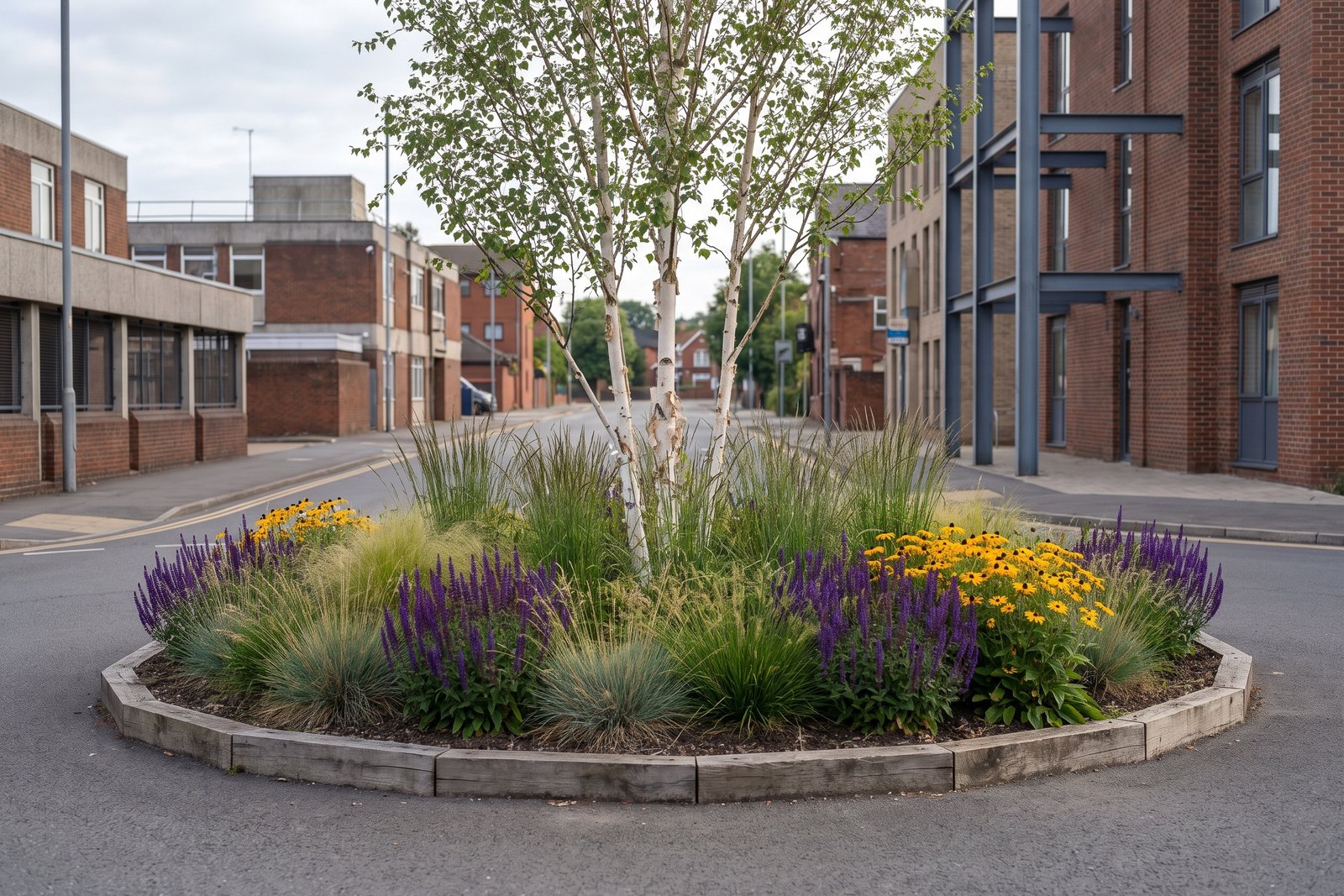
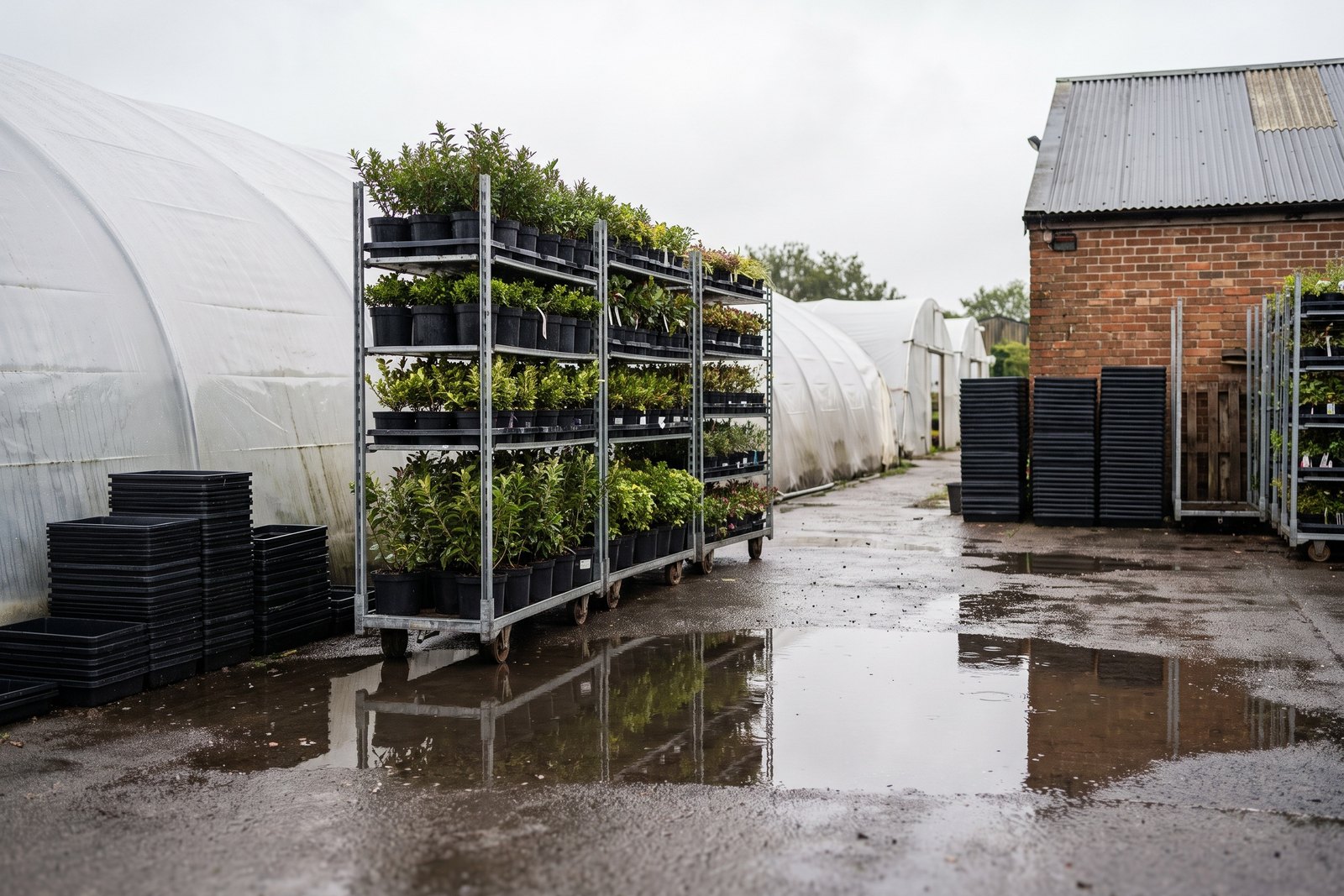
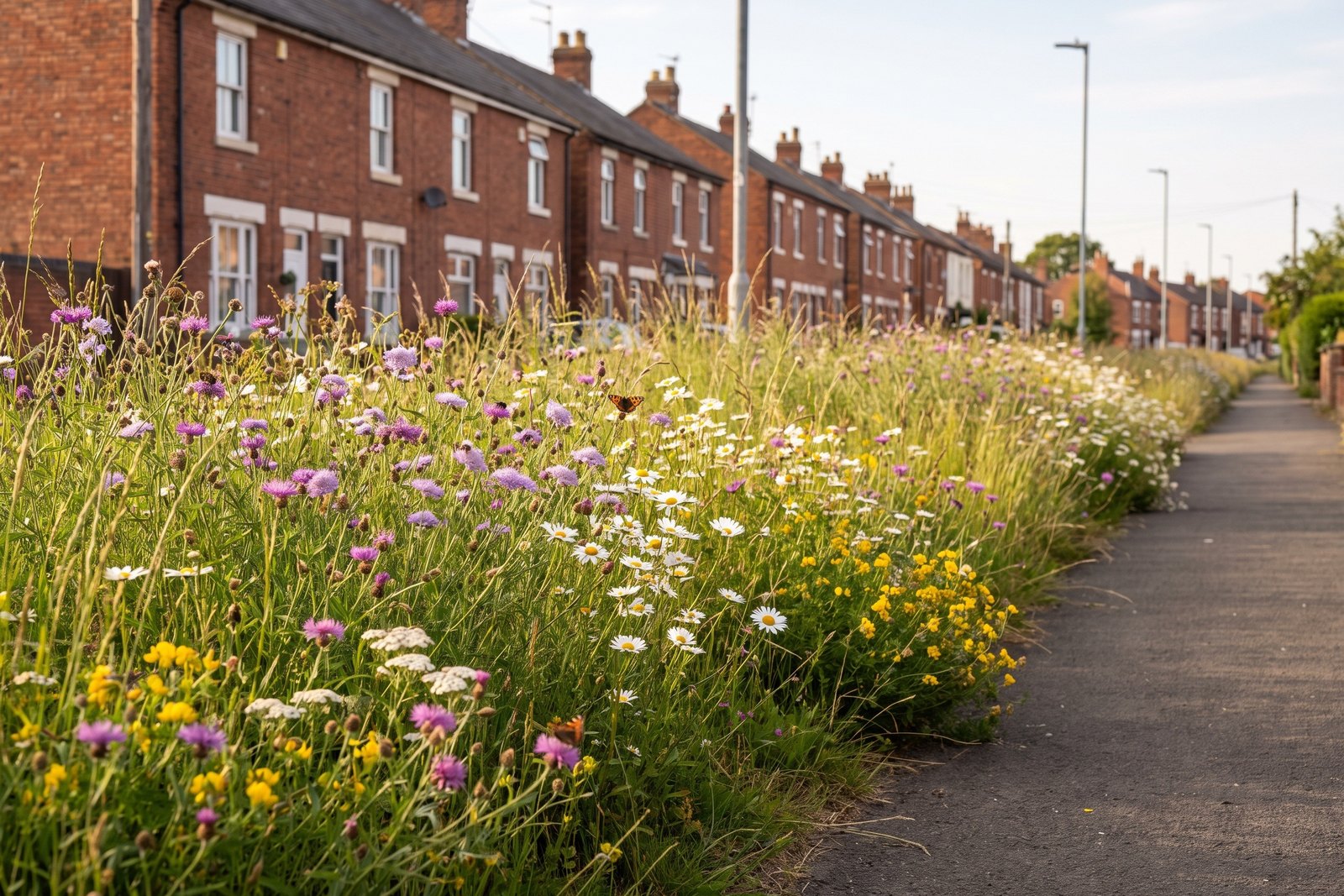
An entry has four kinds of planting and each comes from a different part of the trade. The seasonal displays, baskets, tiered planters, troughs and bedding beds, come from bedding and basket growers as packs, plugs and grower finished containers; a grower finished basket costs more than the plants in it and arrives full, which is what a group with few volunteers needs. The permanent beds, the roundabouts, verges, station forecourts and park borders that judges now weigh heavily, come from the perennial and shrub nurseries in two and three litre pots, planted in autumn to be established by the summer. The trees and hedges come from the tree and hedging nurseries in winter. And the wild areas, the meadow strips and pollinator banks, come from the wildflower nurseries as plugs and seed.
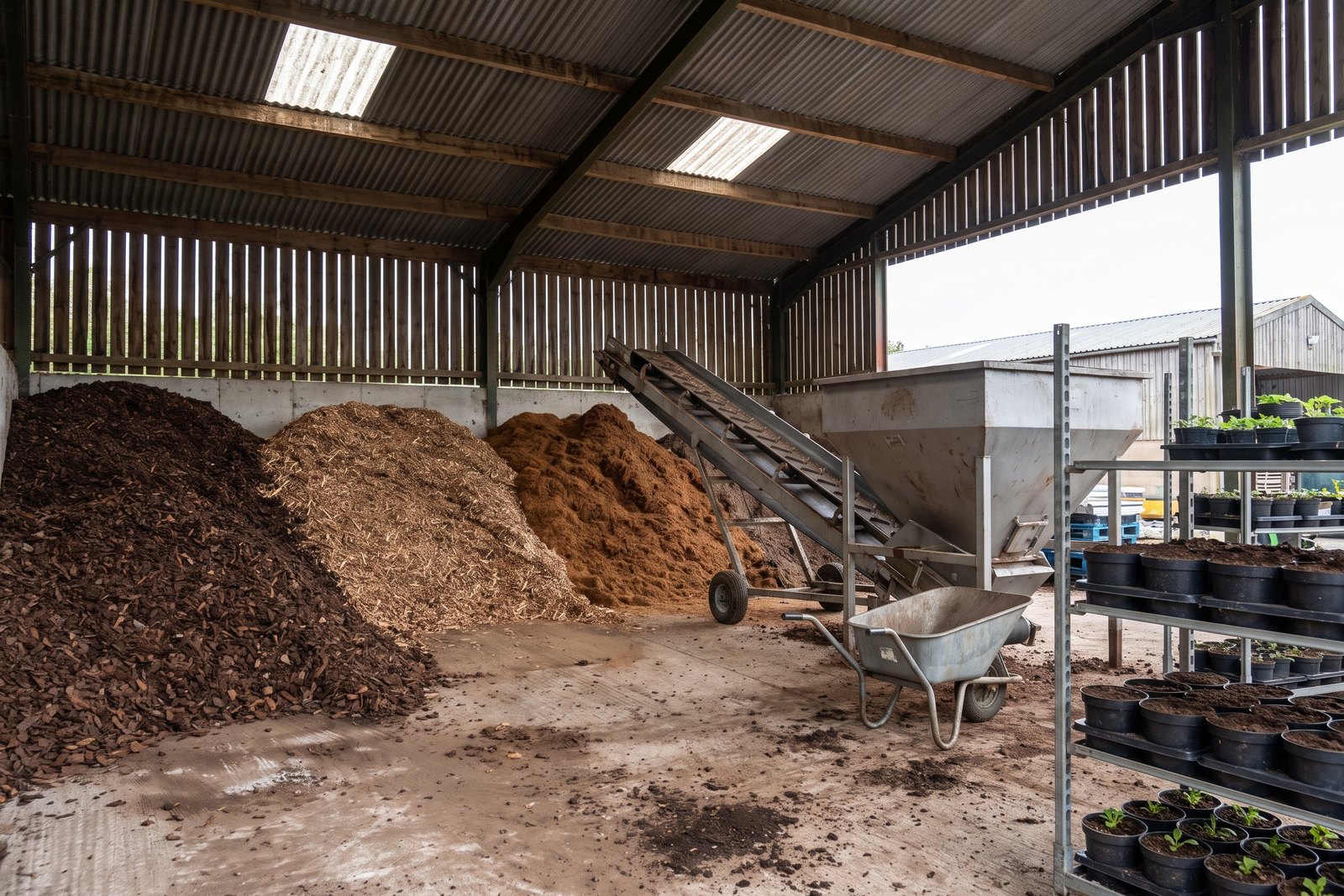
The sustainable scoring has moved the list. Judges reward perennials over annual bedding, pollinator plants over doubles, drought tolerant schemes over thirsty ones, peat-free plants, home grown plants, and a watering plan that does not depend on a bowser every evening. A town that has moved its roundabouts to perennials and its baskets to a smaller number of better ones scores higher than it did with twice the bedding. Native and pollinator plants for community plantings in the UK gives a palette, and Peat-free growing: what UK nurseries supply now the questions to ask a grower about peat.
Quantities, watering and the volunteers
A basket of forty centimetres takes about a dozen plants from plugs or six from nine centimetre pots; a tiered planter three times that. A bedding bed is planted at twenty to thirty plants a square metre from packs, a perennial bed at five to seven two litre pots. Those figures, the number of baskets and planters the town hangs, and the square metres of bed give the order, and the grower will check it. The watering plan is as important as the plants: baskets need water every day in summer, bedding every two or three days, perennials in their first summer once a week. A group budgets the water and the people before it budgets the plants, because the commonest sight in a July walk round is a basket that was beautiful in June.
Where the growers are
The growers directory on HortOS lists more than 2,900 growers that sell plants to the trade across the United Kingdom, by county and town, and each grower controls its own listing, prices and delivery. The county pages (Lancashire, Lincolnshire, Cambridgeshire, Staffordshire) show the nurseries near a site. Growers are being added now, and lists and trade prices appear as each grower sends its own. Anyone can read the pages and only the trade can order. A group writes to the bedding and basket growers in its own county in the autumn for the summer displays, and to the perennial, hedging and tree nurseries for the permanent planting. On 30 October 2026 the county pages listed 199 in Lancashire, 153 in Lincolnshire, 149 in Cambridgeshire, 144 in Staffordshire, 136 in Norfolk and 133 in Cheshire.
What to watch for
- The entry deadline. Regions close in the spring and Wales in Bloom on 31 March; a group that misses it plants for nobody.
- Bedding ordered after the grower has sown. The colours and the numbers are then the grower's choice.
- Baskets with no watering plan. Decide who waters, with what, from where, before the baskets are ordered.
- A scheme that is all annuals. The environmental pillar is a third of the score; show perennials, pollinator plants and peat-free growing.
- Plants bought from a garden centre on a Saturday morning. The trade price is lower and the plants were grown for the job.
- A planting day with no plants on site. Fix the delivery week with the grower before the volunteers are booked.
Getting it right
- Register with the regional campaign, or with It's Your Neighbourhood, before the spring deadline.
- Walk the route in July and write next year's plant list then, while the gaps are visible.
- Order bulbs in August, perennials and shrubs for autumn, trees and hedging for winter, and summer bedding and baskets by January.
- Ask every grower about peat, pesticides and where the young plants came from, and put the answers in the entry portfolio.
- Count the baskets, planters and square metres, and let the grower check the quantities.
- Plan the watering and the people first, and fix the delivery week before the planting day is announced.
A word of caution
The campaigns' rules, categories, closing dates and judging criteria are theirs and change from year to year; the Royal Horticultural Society's, Keep Scotland Beautiful's, Wales in Bloom's, Keep Northern Ireland Beautiful's and TidyTowns' own pages are the authorities, and a regional coordinator answers questions about an entry. The calendar and quantities on this page are the trade's common pattern, and a grower's own dates and advice replace them. The Republic of Ireland's nurseries are not listed on HortOS; a TidyTowns group buys from Irish growers, and the planning here is offered as planning only.
Sources
- Royal Horticultural Society, Britain in Bloom: the campaign and its regions.
- Royal Horticultural Society, community gardening: support, insurance and advice for groups.
- Keep Scotland Beautiful, Beautiful Scotland: Scotland's campaign and its three pillars.
- Wales in Bloom: the Welsh campaign and its closing date.
- Keep Northern Ireland Beautiful, Live Here Love Here: community environmental work in Northern Ireland.
- SuperValu TidyTowns: the Republic of Ireland's competition.
More guides
Buying Plants in Bulk for a Community Group in the UK
Garden societies, allotment associations, schools and In Bloom groups can buy plants by the tray, trolley and bundle from British wholesale nurseries when they order like the trade. This page explains what bulk means to a nursery, the three ways a group buys, how a plan becomes quantities, how VAT falls and what happens on delivery day.
Native and Pollinator Plants for Community Plantings in the UK
A pollinator planting is judged by the insects it feeds. This page explains what a community planting needs, how the Royal Horticultural Society's Plants for Pollinators lists are used, the place of native plants and of British origin, a palette that flowers from February to November in the forms British growers list, and how the planting is kept afterwards.
Peat-Free Growing: What UK Nurseries Supply Now
No ban on peat was in force in the UK when this page was written, and the trade has moved on its own. This page explains where the law stands, what the Royal Horticultural Society and the nurseries have done, what the peat-free growing media are and how plants grown in them behave, and what a buyer asks a grower.