Wholesale Plant Growers in Northern Ireland and the Plant Health Rules
In Northern Ireland a plant from Lancashire is an import and a plant from County Louth is not. This page sets out what the HortOS directory lists in the six counties, the plant health position under the Windsor Framework, the label scheme for plants from Great Britain, and what it means for buyers in the province and in the Republic.
Updated 1 November 2026. Grower totals from the live uk.hortosapp.com county pages on 1 November 2026; this page quotes no HortOS price figure, because growers are still adding their lists.
On this page
Northern Ireland is the one part of the United Kingdom where a plant bought from a nursery in Lancashire is an import and a plant bought from a nursery in County Louth is not. Since 2021 the province has stayed inside the European Union's plant health area, and the growers of Antrim, Armagh and Down have traded south and east on the Union's rules while their customers in Great Britain traded on Britain's. For a council, a landscaper or a community group buying plants in Northern Ireland, the first question is no longer only who grows the plant but which side of the water it is on.
This page sets out what the HortOS directory lists in Northern Ireland and where, the plant health position under the Windsor Framework and what it means for a buyer in the province, the rules for plants moving from Great Britain and the scheme that eases them, the position for buyers in the Republic of Ireland, and the seasons and forms the local trade sells in. It draws on HortOS, a free directory of wholesale plant growers in the United Kingdom, listed by county, to which each grower adds its own availability and trade prices, and on what the Department of Agriculture, Environment and Rural Affairs and the United Kingdom government publish. It quotes no HortOS price figure, because growers are still adding their lists to the UK site.
Quick facts
| What is listed | The county pages list 159 nurseries across the six counties: 63 in Antrim, 48 in Armagh, 23 in Down, 11 in Fermanagh and 7 each in Londonderry and Tyrone, with more being added. The Republic of Ireland is not covered. |
|---|---|
| The rules | Northern Ireland applies the European Union's plant health rules under the Windsor Framework. Its nurseries issue EU plant passports and trade freely with the Republic and the rest of the Union. |
| Plants from Great Britain | Since 1 October 2023 a grower or trader in Great Britain authorised under the Northern Ireland Plant Health Label scheme can send plants for planting with that label instead of a phytosanitary certificate. The plants must stay in Northern Ireland. |
| Plants to Great Britain | Qualifying Northern Ireland goods move to Great Britain as they did before 2021, on their EU plant passports. |
| For a buyer in the province | Buy locally or from the Republic where the plant is grown there; from Great Britain only through a supplier authorised under the label scheme, with the lead time that implies. |
| The authority | The Department of Agriculture, Environment and Rural Affairs, whose plant health inspectors answer questions about a consignment. |
What the directory lists, and where
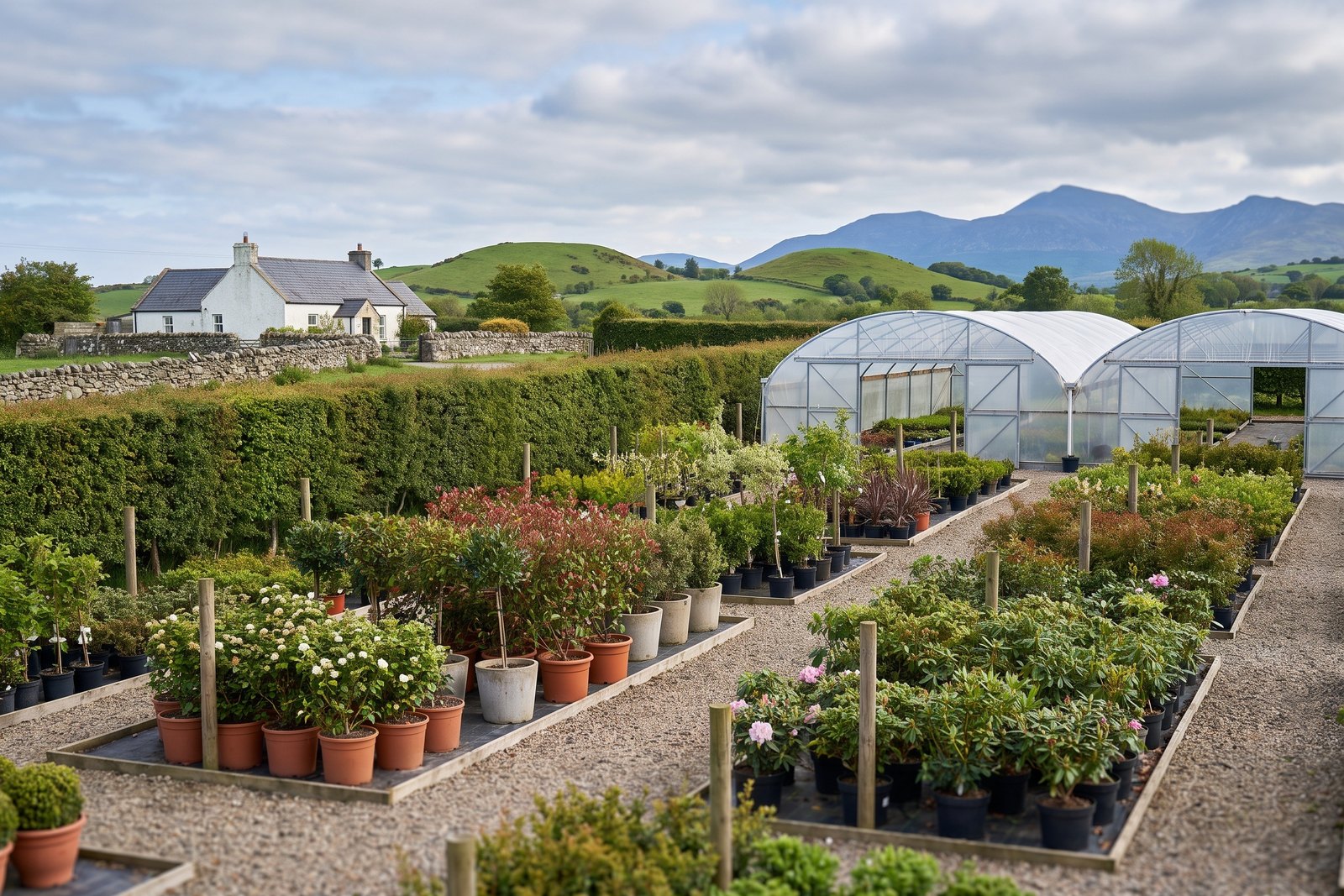
The HortOS directory lists the production nurseries of Northern Ireland by county and town, with the same page for each county as for an English one. When this page was written the six county pages listed 159 nurseries between them, and the pattern follows the land: Antrim and Armagh, with the orchards and the market gardens around Lough Neagh and the Belfast hinterland, hold two thirds of them; Down has the container nurseries of the drumlin country; Fermanagh, Londonderry and Tyrone have a handful each. Growers are being added as the directory is built out, and each grower adds its own availability and prices when it claims its listing.
| County | Nurseries listed | The county page |
|---|---|---|
| Antrim | 63 | Wholesale plant growers in Antrim |
| Armagh | 48 | Wholesale plant growers in Armagh |
| Down | 23 | Wholesale plant growers in Down |
| Fermanagh | 11 | Wholesale plant growers in Fermanagh |
| Londonderry | 7 | Wholesale plant growers in Londonderry |
| Tyrone | 7 | Wholesale plant growers in Tyrone |
The list is a directory, not a stocklist. A buyer with a plant list writes to the nurseries in the nearest county, asks for the availability list and the trade terms, and compares the delivered price, as anywhere else in these islands. How wholesale plant pricing and availability work in the UK trade explains what the list and the terms say.
The plant health position
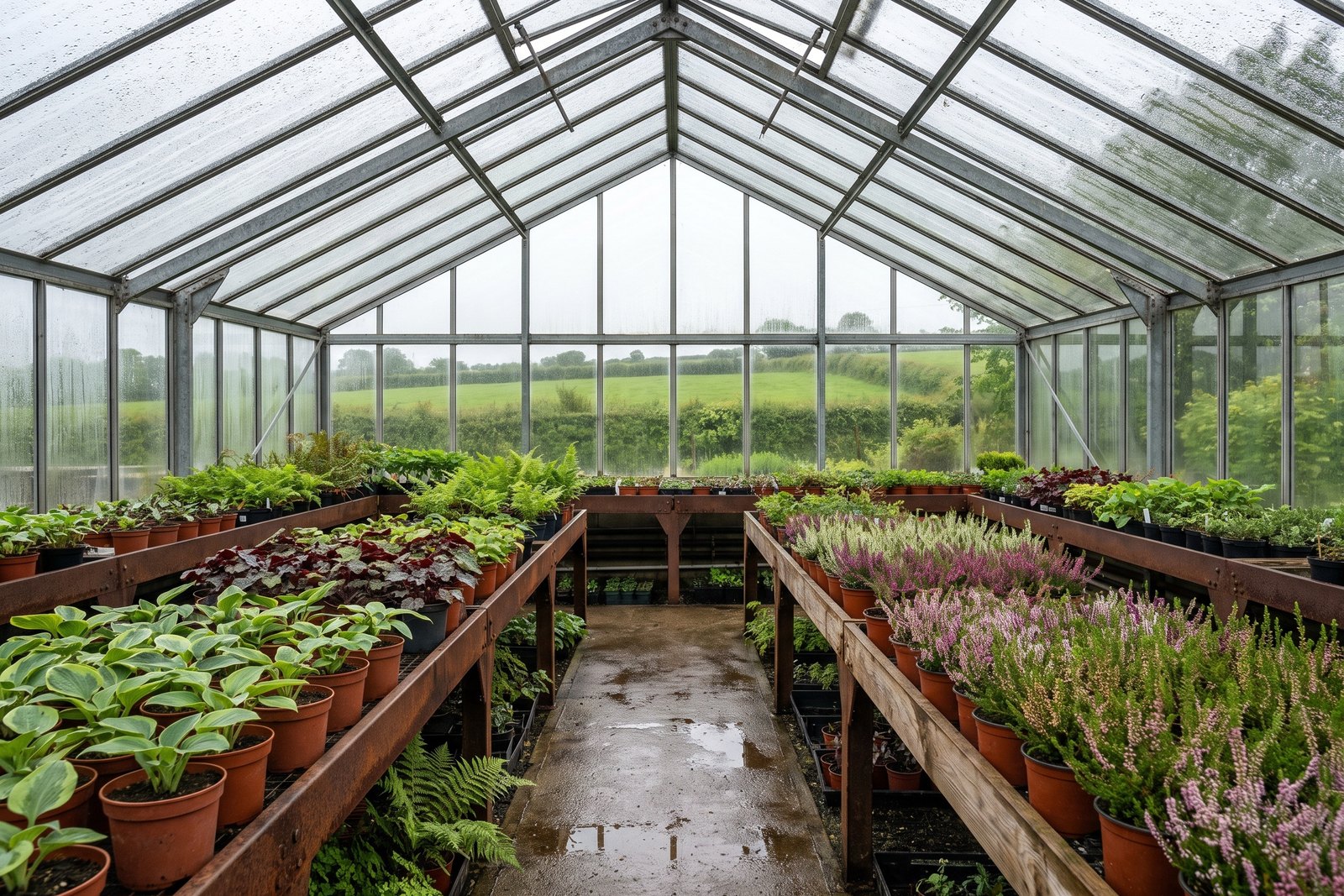
Under the Windsor Framework, which replaced the Northern Ireland Protocol, the province remains in the European Union's sanitary and phytosanitary area for plants. A Northern Ireland nursery is a professional operator under the Union's plant health regulation, issues EU plant passports for the plants it moves, and sells into the Republic of Ireland and the rest of the Union without a border check. Great Britain, which is England, Scotland and Wales, left that area at the end of 2020 and runs its own regime with its own UK plant passport. The two regimes are similar in substance and different in paperwork, and the paperwork is what a buyer meets.
For a buyer in Northern Ireland, three consequences follow. A plant grown in the province or in the Republic arrives with an EU plant passport and no further formality. A plant grown in Great Britain is an import into the Union's plant health area and needs either a phytosanitary certificate or, since October 2023, a Northern Ireland Plant Health Label. And the authority for any question is the Department of Agriculture, Environment and Rural Affairs, not the Animal and Plant Health Agency across the water.
Plants from Great Britain: the label scheme
The Northern Ireland Plant Health Label scheme came into effect on 1 October 2023. It lets a grower or trader in Great Britain that has been authorised under the scheme move plants and seeds for planting, seed potatoes and used agricultural and forestry machinery to Northern Ireland with the label attached, in place of a phytosanitary certificate, provided the goods meet the scheme's conditions and Northern Ireland's requirements. The label must say Northern Ireland Plant Health Label at its head, the operator must have carried out the growing season inspections the scheme asks for, and plants for planting may carry soil or growing media where that complies with the province's rules. Goods moved under the scheme must remain in Northern Ireland; a consignment bound for the Republic needs the full certificate. Seed potatoes may move from Great Britain to Northern Ireland only under the label.
For a buyer that means a Great Britain nursery can supply a Northern Ireland site, but only if it is authorised under the scheme, has inspected the crop during the growing season and is willing to do the paperwork for the order. Many of the larger tree, hedging and container nurseries in England are; many smaller ones are not and will say so. A buyer asks before the plan is drawn, allows a longer lead time, and expects the carriage across the water to show on the quote. Plant passports and plant health rules for plant buyers covers the rules on the Great Britain side.
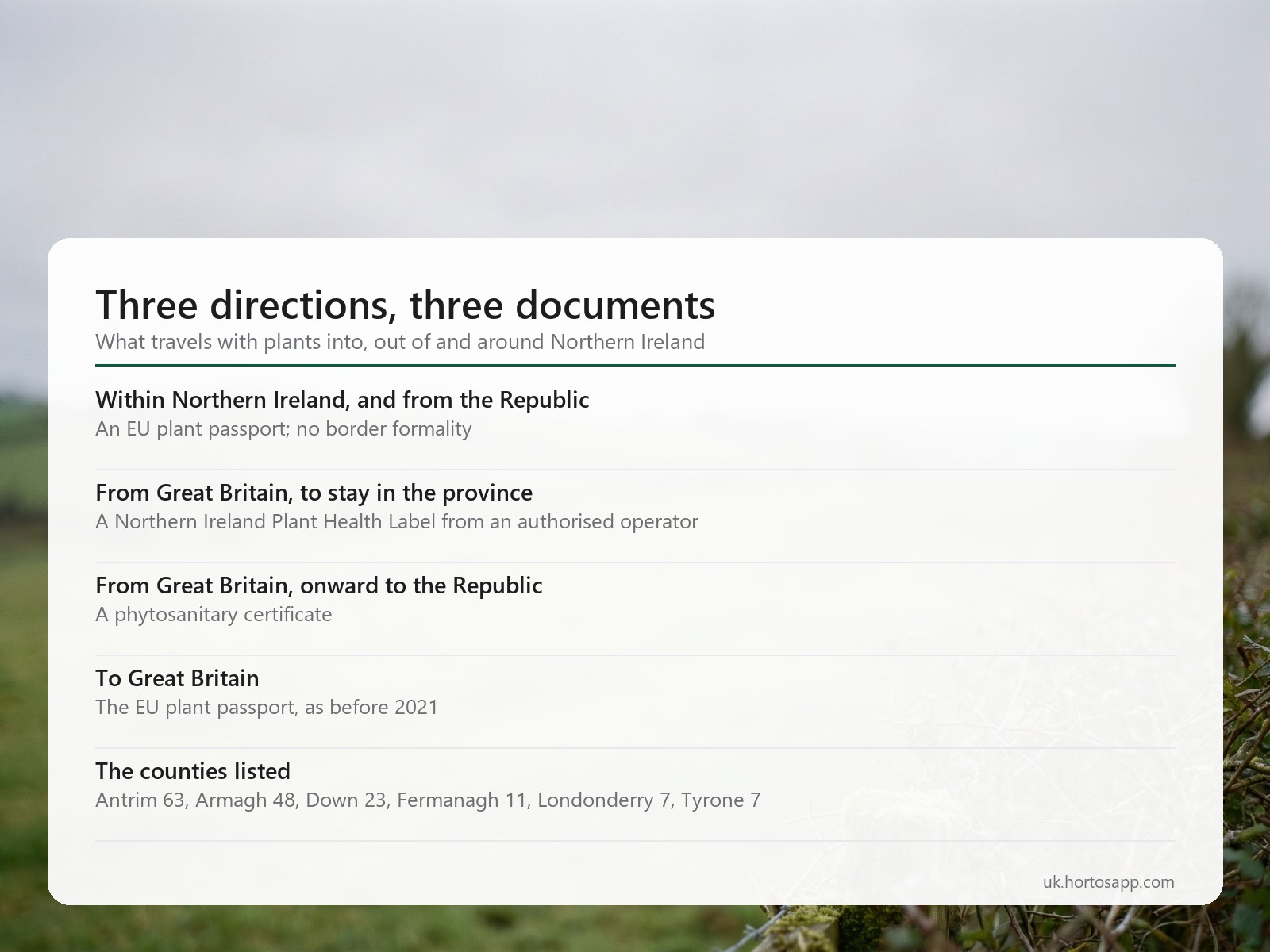
| Movement | Document | Who arranges it |
|---|---|---|
| Northern Ireland nursery to a Northern Ireland buyer | EU plant passport | The nursery, as a professional operator |
| Republic of Ireland nursery to Northern Ireland | EU plant passport | The nursery; no border formality within the Union's area |
| Great Britain nursery to Northern Ireland, to stay there | Northern Ireland Plant Health Label | A Great Britain operator authorised under the scheme |
| Great Britain nursery to Northern Ireland, onward to the Republic | Phytosanitary certificate | The exporter, through the government's export service |
| Northern Ireland nursery to Great Britain | EU plant passport, as before 2021 | The nursery; qualifying Northern Ireland goods move freely |
For buyers in the Republic of Ireland
HortOS does not list the nurseries of the Republic of Ireland, and a TidyTowns committee, a county council or a landscaper in the Republic buys from Irish growers first. The Northern Ireland nurseries on the county pages are, for that buyer, suppliers inside the same plant health area: their plants travel south on an EU plant passport with no certificate and no check. A buyer in Donegal, Monaghan or Louth is often nearer to a nursery in Tyrone or Armagh than to one in Cork, and the county pages are a way to find it. Sourcing plants for an In Bloom or TidyTowns planting sets out the calendar such a committee works to.
Seasons, forms and the local trade
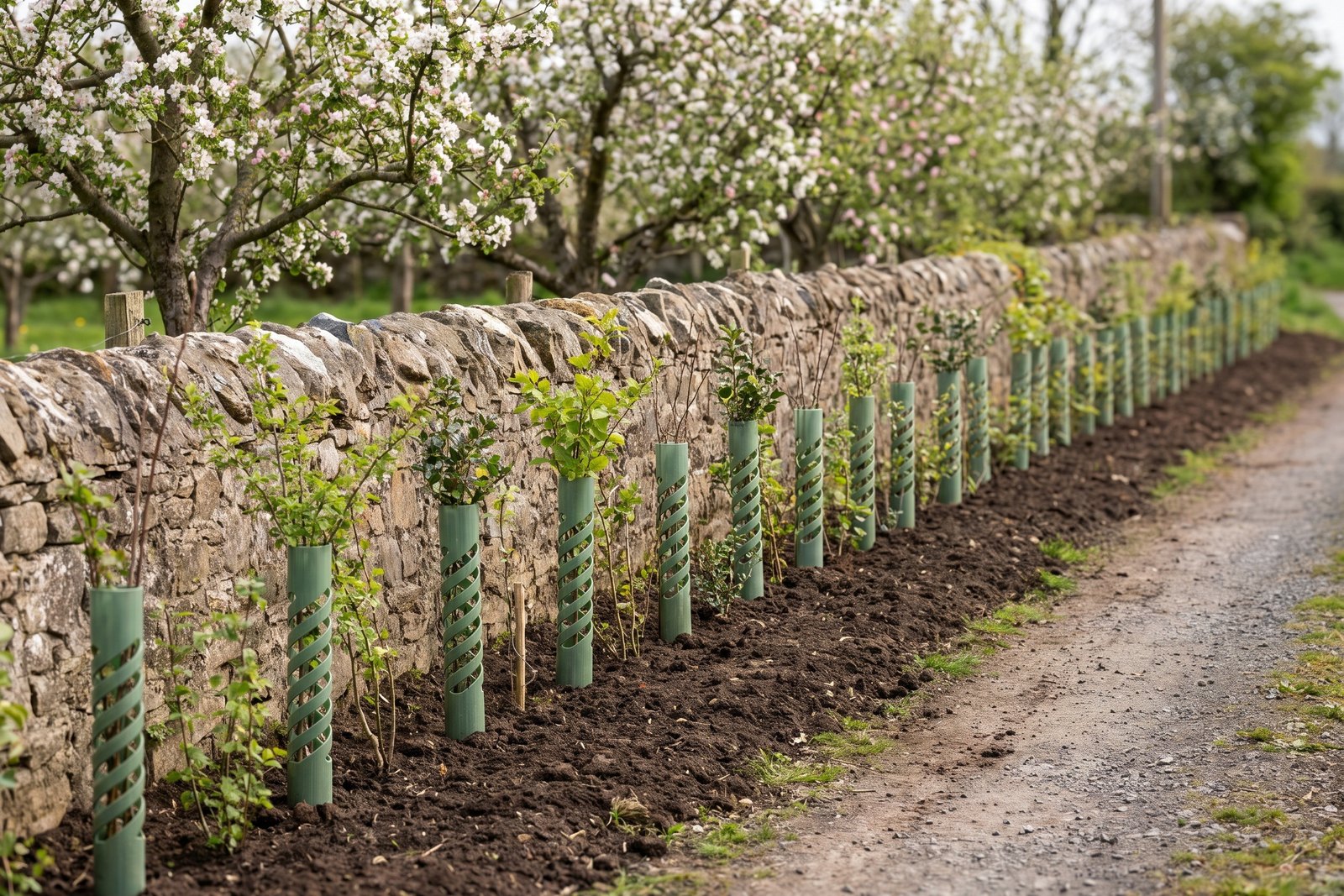
The nursery year in Northern Ireland is the nursery year of the rest of these islands, a little later in spring and a little wetter all round. Bare-root hedging, fruit and trees are lifted from November to March; evergreens move rootballed in autumn and spring; container stock moves all year; bedding is ordered in winter for May. The native hedge, hawthorn with blackthorn, hazel, holly and rose, is the province's commonest planting and its nurseries grow it by the hundred thousand. Orchards are an Armagh tradition and the fruit nurseries there grow apples on the rootstocks the local soil wants. Bare-root season in the UK and Hedging plants for UK gardens apply in full.
Two differences are worth knowing. Peat is a devolved matter and the province has its own policy; the growers' move to peat-free has followed the Royal Horticultural Society's lead as it has in Britain, and a buyer asks the same questions. And a plant that is on the European Union's lists of regulated pests and hosts is regulated in Northern Ireland whether or not Great Britain regulates it, so a buyer specifying from an English catalogue checks the department's pages for the plants with conditions.
Where the growers are
The growers directory on HortOS lists more than 2,900 growers that sell plants to the trade across the United Kingdom, by county and town, and each grower controls its own listing, prices and delivery. The county pages (Antrim, Armagh, Down, Fermanagh, Londonderry, Tyrone) show the nurseries near a site. Growers are being added now, and lists and trade prices appear as each grower sends its own. Anyone can read the pages and only the trade can order. A buyer in the province starts with the six county pages and widens to the Republic before looking across the water. On 1 November 2026 the county pages listed 63 in Antrim, 48 in Armagh, 23 in Down, 11 in Fermanagh, 7 in Londonderry and 7 in Tyrone.
What to watch for
- A Great Britain nursery that is not authorised under the label scheme. It cannot supply a Northern Ireland site without a phytosanitary certificate, and most will not.
- Plants under the label sent on to the Republic. The scheme forbids it; a consignment for the Republic needs the certificate from the start.
- The wrong authority. Questions about a consignment in Northern Ireland go to the Department of Agriculture, Environment and Rural Affairs.
- An English specification applied unchanged. Check the Union's regulated plant lists for the species with conditions.
- Carriage left out of a cross water quote. The ferry is a line on the invoice.
- Assuming the Republic's nurseries are on the directory. They are not; the county pages stop at the border.
Getting it right
- Start with the six county pages and the nurseries of the Republic; most of what a planting needs is grown on the island.
- Where a plant must come from Great Britain, ask the nursery first whether it is authorised under the label scheme and will do the paperwork.
- Allow a longer lead time and the carriage across the water, and get both on the quote.
- Expect an EU plant passport on local and Republic plants and a Northern Ireland Plant Health Label on plants from Great Britain, and keep them.
- Check the department's pages for the species with conditions before the specification is fixed.
- Order bare-root hedging, fruit and trees in late summer for winter planting, as anywhere else.
A word of caution
The plant health arrangements for Northern Ireland are detailed and have changed more than once since 2021; this page describes them in general terms as they stood on the date shown and is not legal advice. The Department of Agriculture, Environment and Rural Affairs and the United Kingdom government's own pages are the authorities, and the department's inspectors have the last word on any consignment. The directory counts are the county pages' on the day and will change as growers are added. HortOS lists growers; it does not inspect them, certify them or authorise anyone under any scheme.
Sources
- Department of Agriculture, Environment and Rural Affairs, NI Plant Health Label scheme: the scheme for plants from Great Britain.
- Department of Agriculture, Environment and Rural Affairs, movement of plants and seeds for planting under the NIPHL scheme: what may move and how.
- GOV.UK, export or move plants and plant products from Great Britain and Northern Ireland: the rules in both directions.
- nibusinessinfo.co.uk, Northern Ireland plant health label scheme: the scheme explained for businesses.
- Department of Agriculture, Environment and Rural Affairs, plant and tree health: the authority in Northern Ireland.
More guides
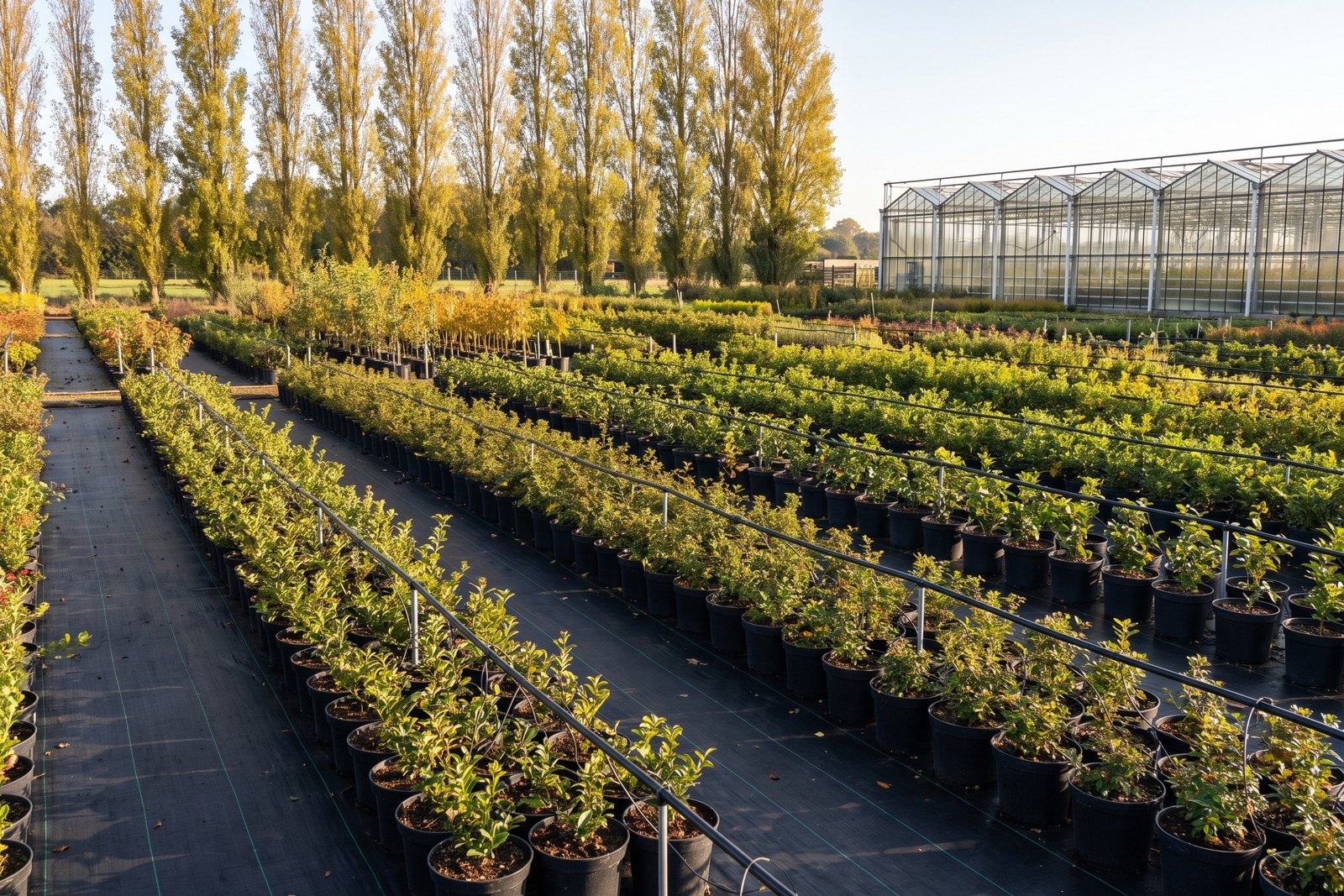
How Wholesale Plant Pricing and Availability Work in the UK Trade
A trade price is per plant, per size, ex VAT and ex carriage, and the weekly availability list says what can be had now. This page explains how the UK nursery trade is shaped, how a price is built, what the list's columns mean, the size ladder, why prices have moved and how to open an account.
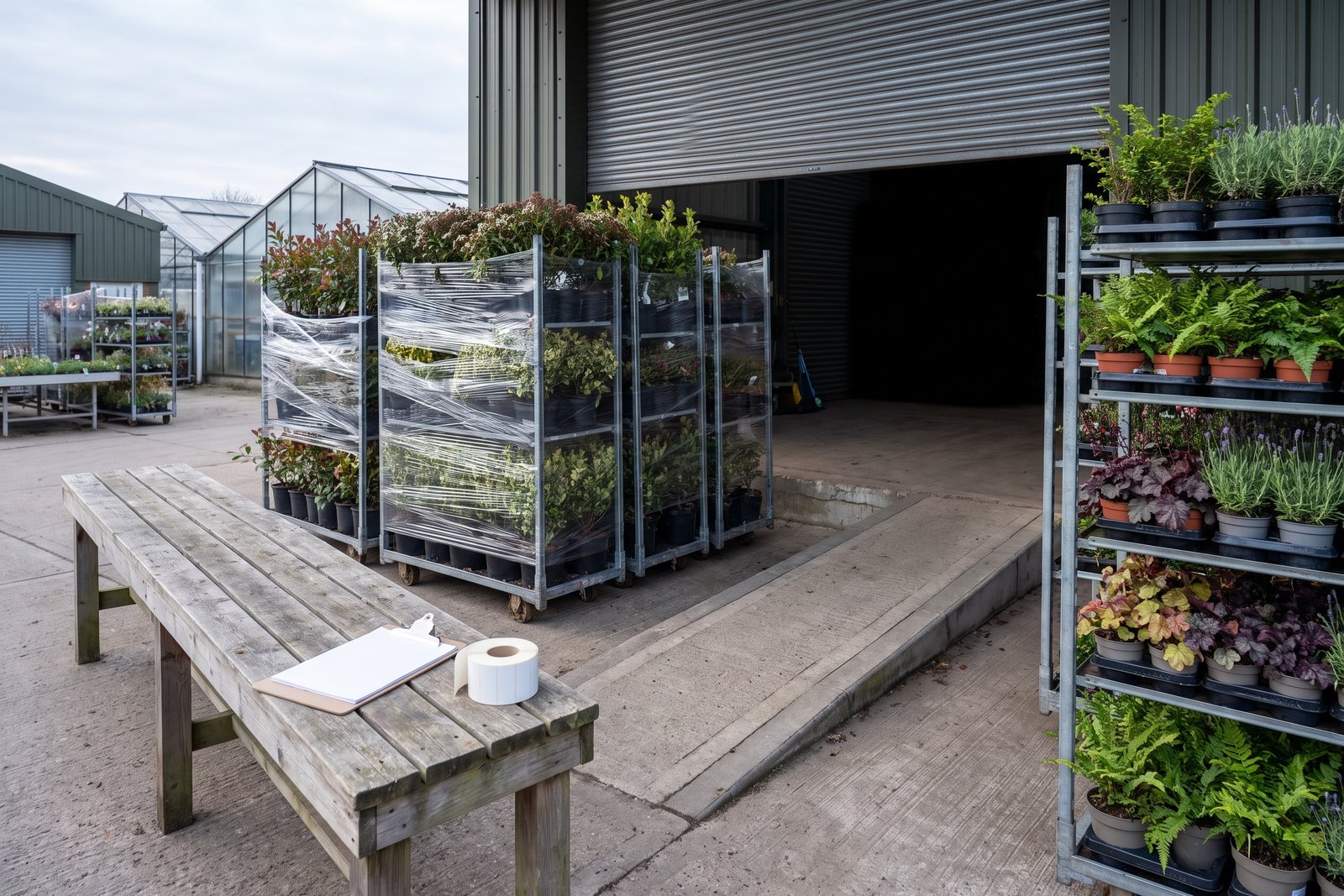
Plant Passports and Plant Health Rules for Plant Buyers in the UK
Every consignment of plants that moves between businesses in Great Britain carries a UK plant passport, and a buyer sits at the end of that chain. This page explains what the passport is and who issues it, what a buyer should expect and keep, how imported plants are checked, the rules on oak, the Northern Ireland position and Plant Healthy.
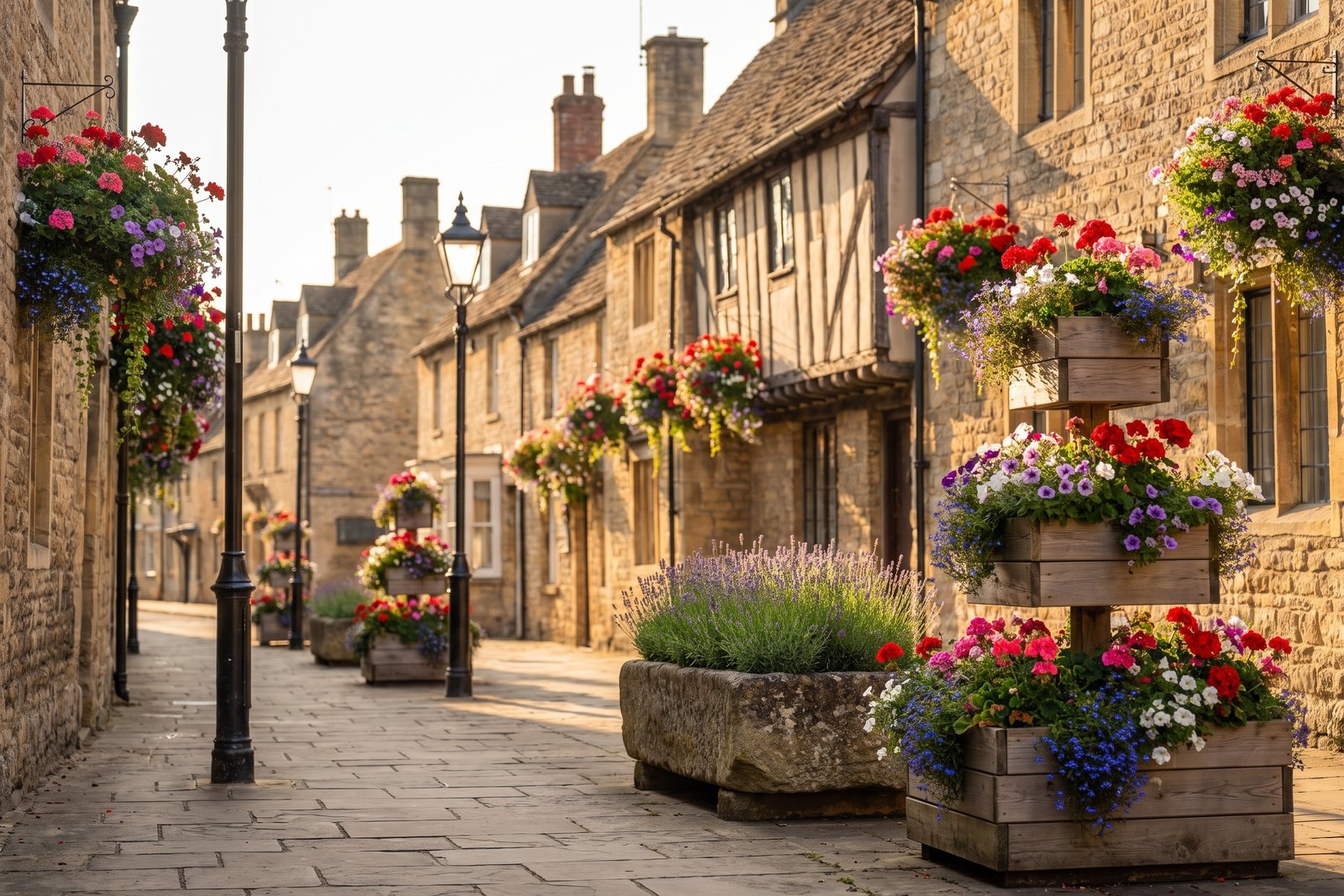
Sourcing Plants for an In Bloom or TidyTowns Planting
The judges walk the route in July, and the bedding was ordered in January. This page sets out the In Bloom, Beautiful Scotland, Wales in Bloom and TidyTowns campaigns and what their judges score, the sourcing calendar that runs a year ahead of the flowers, what to buy for each part of an entry and where the growers are.